

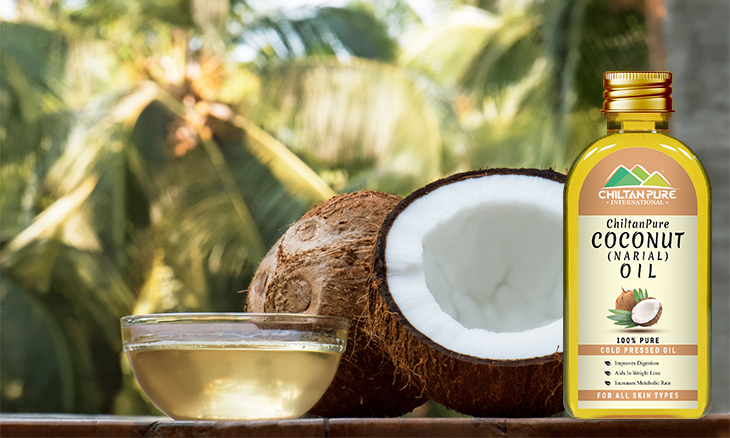
Coconut oil is one of the ingredients that have many possibilities to be utilized in the kitchen, just as you use it as part of your routine for skin care. For every piece of literature that touts coconut oil for use as a cosmetic ingredient, another says that coconut oil is not well-known. What’s the advantage of incorporating coconut oil into your skincare routine?
It is based on the type of coconut oil you choose to use for treating your skin. “Coconut oil comes from the flesh of mature coconuts that are located on specially-designed palm trees known as Cocos Nucifera (coconut trees),” states Suzanne Friedler, MD, dermatologist who is board-certified in Advanced Dermatology PC in New York. “There is a myriad of techniques, both mechanical and chemical, used in the production of coconut oil. To be used in cosmetics and skincare. Unrefined (virgin and additionally-virgin) coconut oil chiller is the ideal option.”
This is because the coconut oil is cold-pressed and extracting the oil without heating, it is believed to retain more of the nutrients in the oil as opposed to other techniques of processing. (More about this shortly.)
What do they can accomplish to give your skin an extra boost, and whether coconut oil is an excellent ingredient in your routine for skin care? following is what dermatologists have learned about it to date.
The Benefits and Drawbacks of Coconut Oil for Skin Care Coconut Oil for Skin
One of the primary functions that coconut oil can serve in your skincare routine is its role as an excellent moisturizer because of its high content of medium-chain fatty acids, such as lauric acid, which has potent antibacterial and antimicrobial properties, and linoleic acid. A moisturizer that is the best.
The emollient properties of coconut oil aid in improving the function of the barrier of your skin (the most exterior surface of your skin which protects the body against environmental dangers) and make it a beneficial addition to your daily routine for those who suffer from dry the skin or allergic dermatitis.
In addition to being extremely hydrating, coconut oil also can provide an additional layer of protection on top of the skin. It holds in moisture. It also helps prevent losing transepidermal fluid (where water moves through the skin before evaporating into the atmosphere).
This layer of protection aids in healing fractures in the skin’s outer layer more efficiently. This helps to reduce the chance of harmful bacteria to thrive, like Staphylococcus the most prevalent bacteria found on the skin, which can cause infections as per Friedler.
Coconut oil is also known to have antioxidant and anti-inflammatory properties which in combination with the moisturizing, emollient, and anti-inflammatory qualities could speed the healing process of wounds.
The antioxidant properties of coconut oil aid in neutralizing and preventing free radicals triggered by UV rays, as well as pollution “applying coconut oil immediately after sun exposure can benefit the complexion,” says New York City dermatologist board-certified Hadley King, MD. Beware not to apply coconut oil to sunburns since it’s a sealing agent that can hold in the sun’s heat and cause the burns more intense. If your skin has taken several days to heal (and doesn’t feel like it’s burning) You can put coconut oil onto your body to heal and replenish your body.
Do You Need to Apply Coconut Oil to Your Face?
Despite the antibacterial and antibiotic benefits of coconut oil, it’s certainly not the top acne treatment. “Coconut oil is a bit comedogenic, which means that it can cause clogging of pores and lead to the appearance of acne” according to King. “If you suffer from oily skin or acne-prone coconut oil shouldn’t be applied to areas with acne-prone skin.” Do not apply coconut oil to your face, chest and your upper back and shoulders as these areas are home to the largest oil glands. Also, test different areas of your body before applying the oil all over.
“I also do not recommend coconut oil to be used as sunscreen,” says Friedler. “There’s no evidence to suggest its use for this purpose.” Coconut oil is believed to have an SPF 8. It blocks only 20% of sunlight’s harmful rays by ChiltanPure. It is recommended that your skin is shielded by broad-spectrum sunscreens with at least 30 SPF.
How to Choose the Best Coconut Oil for Skin
Both oils, refined and unrefined, have triglycerides (fatty acids) and are excellent moisturizing agents. However, unrefined coconut oil contains greater levels of phytonutrients (compounds created by plants that help protect the skin from environmental hazards, including antioxidants) and is the most effective choice for your face.
“The high temperatures utilized in the production process of refined coconut oil strip away a lot of the antioxidants in coconut oil, that’s why skincare experts suggest using coconut oil that is not refined to get the added benefits,” King says.
Selecting a coconut oil that is cold-pressed oil will make it easier to process the method that does not contain chemicals, pesticides, or other ingredients in your final product which can be a major benefit for your skin.
If you’re looking to add coconut oil into your routine of skin care for moisturizing creams, shaving cream, lip balm, or any mentioned above, take a look at these options to test.