

Aroids, also known as Araceae, are a diverse and captivating group of plants that have gained immense popularity among indoor gardeners. Their unique foliage, striking colors, and ability to thrive in different conditions make them a favorite choice for plant enthusiasts. In this article, we will explore the Aroid mix world and provide comprehensive insights into cultivating and caring for these fascinating plants.
The Beauty of Aroid Mix
Aroid mix refers to combining different Aroids species in a single container or planting area. This approach allows you to create visually stunning displays by showcasing the Araceae family's diversity of shapes, sizes, and colors. From the majestic leaves of the Monstera deliciosa to the vibrant veins of the Anthurium, an Aroid mix can transform any space into a lush tropical paradise.
Selecting the Right Aroids for Your Mix
When choosing Aroids for your mix, consider the specific characteristics of each species. Some Aroids are known for their large, dramatic foliage, while others exhibit unique patterns or have striking flower spathes. Aim for a balanced selection that incorporates a variety of shapes, sizes, and colors to create an aesthetically pleasing arrangement.
Preparing the Ideal Soil Mix
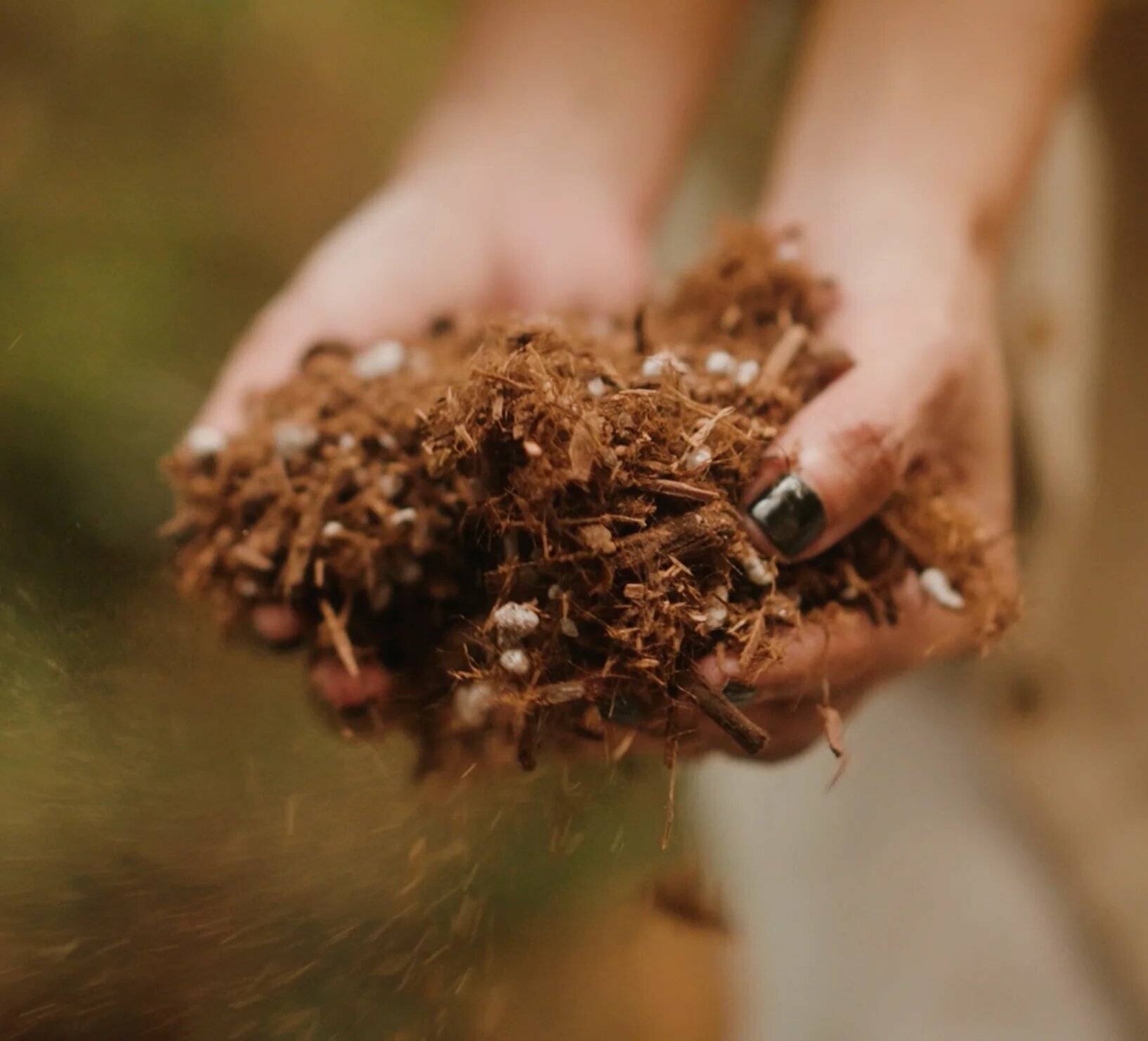
Aroids generally prefer well-draining soil that retains some moisture. A recommended soil mix for Aroids includes a combination of peat moss, perlite, and orchid bark. This mixture provides adequate drainage while retaining enough moisture for the plant's roots.
Providing Optimal Light Conditions
Most Aroids thrive in bright, indirect light. Find a spot in your home or garden that receives filtered sunlight or place them near a window with sheer curtains. Avoid exposing Aroids to direct sunlight for extended periods, as it can scorch their leaves.
Watering and Humidity Requirements
Aroids appreciate consistent moisture but dislike waterlogged soil. Water your Aroid mix when the top inch of the soil feels dry to the touch. Maintain a moderate level of humidity around the plants by misting them regularly or placing a tray of water nearby.
Temperature and Environmental Considerations
Aroids generally prefer temperatures between 65-85°F (18-29°C). Avoid exposing them to extreme temperature fluctuations, drafts, or cold air from air conditioning units. Additionally, ensure adequate airflow around the plants to prevent the onset of fungal diseases.
Fertilizing Your Aroid Mix
Feed your Aroids with a balanced, water-soluble fertilizer during the growing season. Dilute the fertilizer according to the package instructions and apply it every four to six weeks. Remember to reduce fertilization during the winter months when the plants are in a dormant phase.
Propagating Aroids
Aroids can be propagated through various methods such as division, stem cuttings, or leaf cuttings. Each species may have specific requirements, so it's essential to research and follow proper propagation techniques. With patience and care, you can expand your Aroid mix collection through propagation.
Managing Common Pests and Diseases
While Aroids are generally hardy plants, they can sometimes fall prey to pests like spider mites, mealy bugs, or scale insects. Regularly inspect your plants for signs of infestation and take appropriate measures, such as using organic insecticides or wiping leaves with a damp cloth to keep these pests at bay.
Pruning and Maintenance Tips
As your Aroids grow, they may require occasional pruning to remove damaged or yellowing leaves. Use clean and sharp tools to make precise cuts and promote healthy growth. Regular maintenance tasks include dusting the leaves and checking for any signs of disease or pests.
Showcasing Aroids in Your Home
Aroids are not only beautiful, but they also offer numerous possibilities for creative displays. Consider placing them in decorative pots or hanging baskets to add a touch of elegance to your living space. You can also experiment with vertical gardening or create eye-catching terrariums to showcase the unique features of your Aroid mix.
Aesthetically Pleasing Aroid Combinations
Combining different Aroid species in a single container can result in visually striking combinations. Pair large-leaved Aroids like Alocasia with smaller, more delicate species such as Philodendron micans or Pathos. Play with contrasting textures and colors to create a harmonious ensemble that captivates the eye.
Troubleshooting Common Issues
Even with proper care, Aroids can sometimes face challenges. Yellowing leaves, root rot, or stunted growth are common issues that may arise. Understanding the potential causes and implementing corrective measures, such as adjusting watering practices or repotting, can help restore your Aroids' health and vitality.
Conclusion
Creating an Aroid mix is an exciting journey that allows you to explore the diversity and beauty of this plant family. By following the guidelines provided in this article, you can successfully cultivate and care for your Aroids, creating a stunning display that brings the allure of the tropics into your home. Embrace the lush foliage, experiment with different combinations, and enjoy the satisfaction of nurturing these captivating plants.